
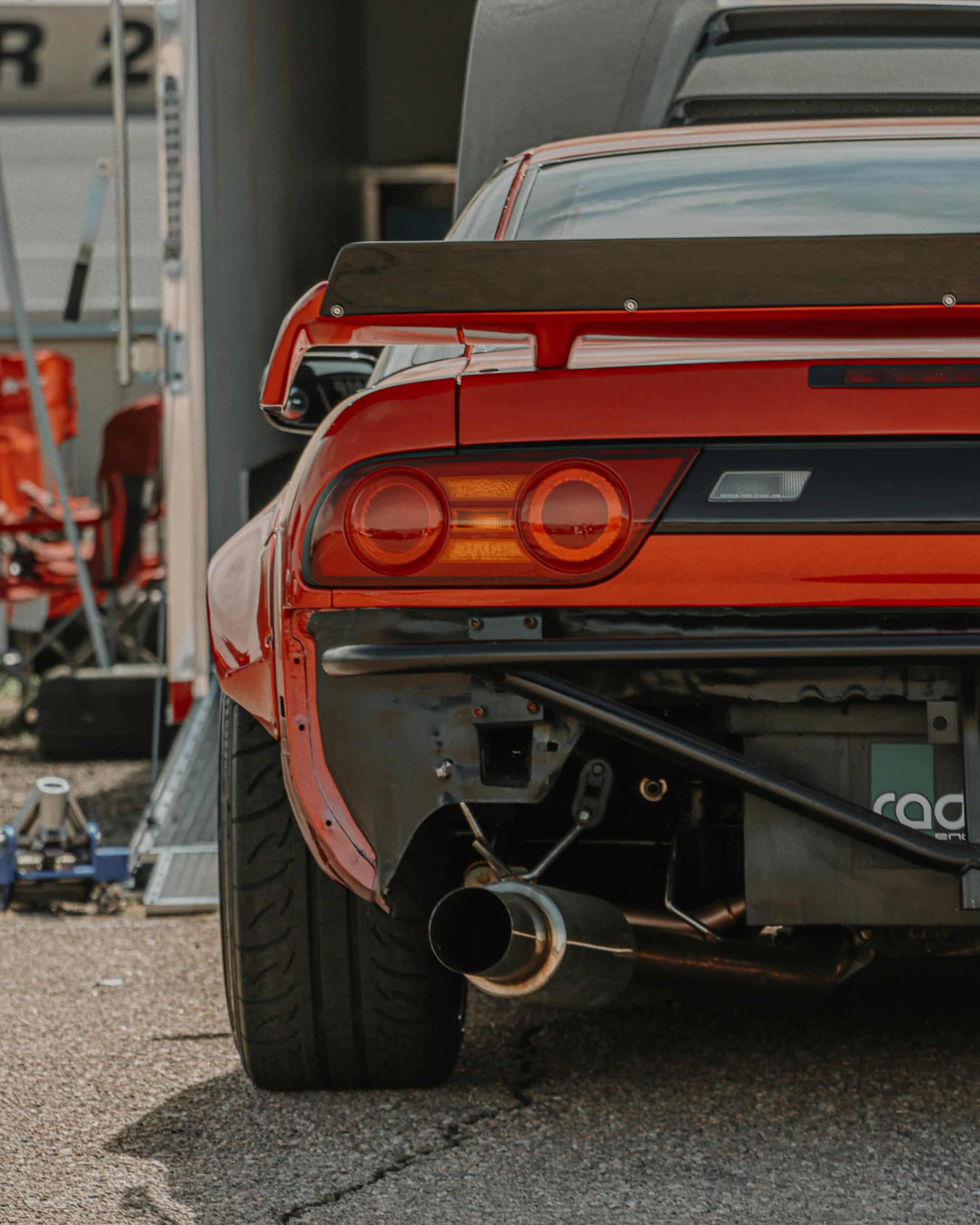
A digital modification record is a structured log of every upgrade made to your car — including parts, costs, dates, and photos. It protects resale value, simplifies insurance declarations, and provides evidence for claims and valuations.
For many enthusiasts, a car is never truly finished. There’s always something to refine, upgrade, or personalise — whether it’s a subtle suspension tweak or a full performance overhaul.
But while the physical work gets all the attention, there’s one part of the process that’s often overlooked: documenting your modifications properly.
Creating a digital record of your build isn’t just about organisation — it’s about protecting value, simplifying insurance, and telling the full story of your car.
Every modification you make is a reflection of your taste, your goals, and your understanding of the car. From a remap to a full engine build, these decisions shape your car’s identity.
Without documentation, though, that story can quickly get lost.
A digital history file ensures every upgrade — big or small — is recorded, timestamped, and backed up. With Custodian, you can turn your build into a structured, professional record that evolves alongside your car.
That’s why we’re proud to
Modifications can significantly increase the value of a car — but only if they’re properly documented.
Buyers and insurers want to see:
Without that, even high-quality upgrades can be undervalued or ignored entirely.
With Custodian, every modification becomes part of your car’s provenance — alongside your service history, ownership timeline, and supporting documents.
Related: When Does a Car Become a Classic?
Modified cars require specialist consideration when it comes to insurance — and accurate documentation makes all the difference.
A clear record of your modifications helps you:
Insurers pay particular attention to certain types of modifications, including:
These modifications can significantly affect performance, value, and risk profile. Failing to declare them can invalidate your policy entirely, leaving you unprotected in the event of a claim.
This is where having a structured record becomes incredibly useful. With Custodian, you can:
Alternatively, if you choose to give Custodian Insurance a go, we can review your Digital Garage directly, making the process even more seamless.
Either way, having everything documented and ready to share puts you in a far stronger position — both when arranging cover and if you ever need to make a claim.
Related: Check out Custodian Insurance
Imagine two identical cars: both modified Porsche 911s, each with around £15,000 of upgrades — suspension, exhaust, ECU tune, and wheels.
Car A has no structured record. The owner has a few scattered receipts, some photos on their phone, and a rough idea of what’s been done.
Car B has a fully documented history in Custodian. Every modification is logged with:
Now imagine both owners approach an insurer — or need to make a claim.
For Car A, the insurer sees uncertainty:
For Car B, everything is clear from the outset:
The result?
Car B is far more likely to receive an accurate valuation, smoother underwriting, and a straightforward claims process.
And the same applies when it comes time to sell — one car raises questions, the other builds confidence instantly.
Modifications aren’t just about aesthetics — they’re about performance.
Custodian allows you to track your upgrades against your car’s base factory stats, including:
By logging changes like a new turbo, exhaust, or ECU tune, you can see how your car evolves — not just in theory, but in real, measurable terms.
A well-documented car stands out — whether you’re sharing it with friends, entering shows, or eventually selling.
With Custodian, you can:
Buyers are increasingly cautious about modified cars — not because of the mods themselves, but because of poor documentation.
A Custodian history file solves this instantly:
Most builds involve scattered receipts, invoices, and photos across multiple places. Custodian brings everything together into one secure, centralised Digital Garage — accessible anytime.
As highlighted in our guide to DVLA Registration Policy Changes, documentation is increasingly important for modified vehicles.
Keeping a clear record helps demonstrate that changes are appropriate, traceable, and compliant if your vehicle is ever assessed.
Every modification tells part of your car’s story. Custodian gives you a way to capture and showcase that journey — not just remember it.
If you choose to, you can share your car’s story with others:
It turns your build into something more than a list of modifications — it becomes a living, shareable record of everything you’ve put into the car.
Check out - Car Sharing
Yes — you should declare all modifications, no matter how small. Even minor changes like wheels or cosmetic upgrades can affect your policy. Failure to disclose modifications can invalidate your insurance entirely.
A modification is any change from the manufacturer’s original specification. This includes performance upgrades (engine, ECU, exhaust), cosmetic changes (body kits, paint, wheels), and even interior alterations.
The best way is through a documented history file. Keep invoices, photos, and installation records. A structured digital record (like Custodian) provides clear proof of quality and investment, helping justify a higher asking price.
Not directly. Most modifications don’t require a V5C update. However, significant changes (like engine swaps or colour changes) must be reported to the DVLA. Keeping a documented record makes this process much easier if required.
Potentially, yes. A well-documented car demonstrates care, transparency, and lower risk. With Custodian Insurance, this can help support more accurate valuations and fairer premiums.
Modifying a car is a deeply personal process — but without documentation, much of that effort can go unseen and unrecognised.
By creating a digital record with Custodian, you’re not just organising your build — you’re protecting its value, simplifying your insurance, and preserving its story for the future.
Because great cars aren’t just built.
They’re documented, understood, and remembered.
Here’s how we’re supporting that.


